


 08 Sep 2025
Enhancing Polymer Pipe Quality Control with COXEM Scanning Electron Microscopes
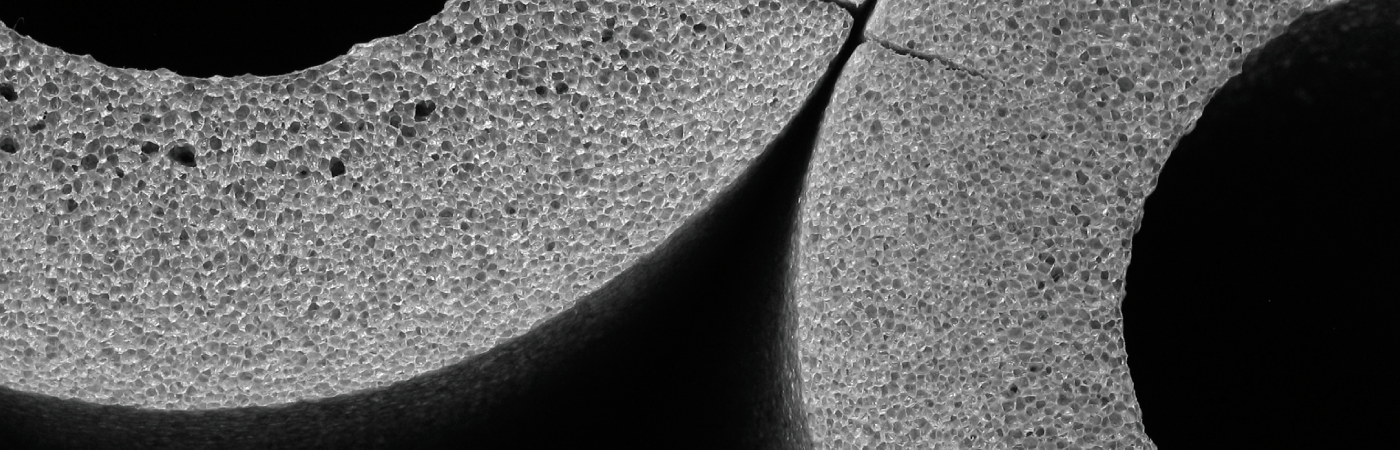
In today’s competitive manufacturing landscape, ensuring the consistent quality of polymer-based pipes is essential. Whether used in plumbing, industrial systems, or infrastructure projects, polymer pipes must meet strict performance and safety standards. Traditional quality control methods—like tensile testing or visual inspection—only scratch the surface. For deeper insight, manufacturers are increasingly turning to Scanning Electron Microscopy (SEM).
Enter the COXEM Scanning Electron Microscope, a compact, user-friendly SEM system that offers high-resolution imaging at a fraction of the cost and complexity of traditional SEMs. Here’s how it’s revolutionizing polymer pipe quality control.
Why Use SEM for Polymer Analysis?
Polymers, by nature, can develop a wide range of microstructural defects during manufacturing—like voids, cracks, inclusions, or phase separations. These microstructural issues can compromise mechanical properties such as strength, elasticity, and chemical resistance.
An SEM provides high-magnification, high-resolution images of a polymer’s surface and near-surface features, revealing:
- Microcracks and fracture origins in failed pipe segments
- Homogeneity and dispersion of filler materials (e.g., glass fibers, carbon black)
- Interface bonding in multilayer pipes
- Surface roughness and morphology related to extrusion quality
With SEM, manufacturers gain a level of quality assurance that goes far beyond optical microscopy or mechanical testing.
Why Choose COXEM SEM?
COXEM specializes in benchtop SEMs that are specifically designed to be accessible to quality control labs, not just advanced research facilities. Key benefits include:
- Ease of Use: Designed with intuitive software and minimal sample preparation.
- Compact Size: Fits easily into a standard laboratory space.
- High Resolution: Capable of magnifications up to 150,000x, revealing nano-scale features.
- EDS Integration: Optional Energy Dispersive X-ray Spectroscopy (EDS) helps in elemental analysis—ideal for identifying contamination or verifying material composition.
Real-World Application: Polymer Pipe Quality Control
1. Failure Analysis
When a pipe fails in service, SEM helps identify root causes. By examining fracture surfaces, technicians can distinguish between brittle and ductile failure modes, detect stress concentrations, or uncover embedded foreign particles.
2. Additive Dispersion
SEM allows quality engineers to inspect the dispersion of additives like antioxidants, UV stabilizers, or fillers. Poor dispersion can indicate processing issues, which may lead to premature degradation or performance loss.
3. Surface Morphology
The surface of an extruded polymer pipe can reveal much about the extrusion process. SEM helps assess surface defects like pitting or waviness that are invisible to the naked eye but could affect pipe performance in the field.
4. Layer Bonding in Multilayer Pipes
Modern pipes often use multiple polymer layers for strength, chemical resistance, or cost efficiency. COXEM SEM can examine cross-sections to ensure solid bonding and uniformity across layers.
Conclusion
For manufacturers of polymer pipes, ensuring product integrity is non-negotiable. By integrating a COXEM Scanning Electron Microscope into the quality control process, companies gain powerful insights into material microstructure and production quality. It’s a cost-effective tool that helps bridge the gap between production and performance—one electron at a time.